
Last reviewed October 2026
Ask anyone who has bought a home in Dallas–Fort Worth, and foundations will come up. Much of the region sits on expansive clay soil that moves with moisture. That doesn’t mean every home has a problem, but it does mean buyers and sellers should know what to look for and how to handle it.
Why DFW foundations move
The Blackland Prairie that runs through Dallas and Fort Worth is known for clay soil that swells when it gets wet and shrinks when it dries out. According to the Dallas County Master Gardeners, dry summers cause the soil to contract and crack, while wet periods cause it to expand. Too much water near a foundation, from leaks or poor drainage, can cause soil to heave, and too little can cause it to settle. Either can lead to movement.
Common warning signs
- Cracks in interior drywall, especially above doors and windows
- Doors or windows that stick or won’t latch
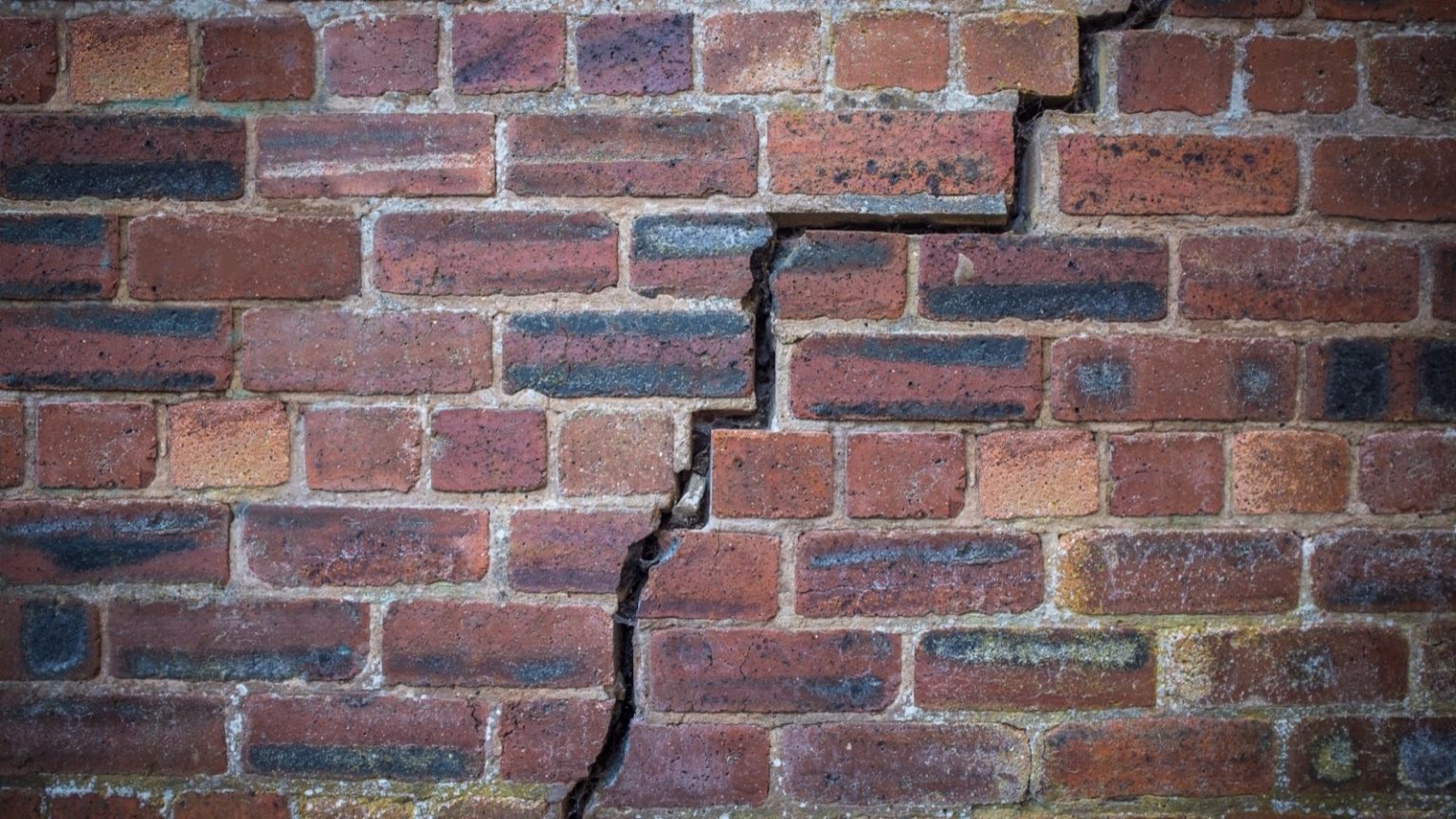
- Stair-step cracks in exterior brick
- Sloping or uneven floors
- Gaps between trim, walls, or ceilings
Some minor cracking is common in many homes. A sign on its own doesn’t confirm a structural problem, which is why professional evaluation matters.
For buyers: inspections and the option period
- Schedule a general inspection early in your option period. A licensed Texas inspector reports on the foundation’s visible performance.
- Bring in a structural engineer if the inspector notes concerns. An engineer can evaluate whether movement is significant and recommend next steps.
- Ask about past repairs. Request any repair records, engineer reports, and transferable warranties.
- Negotiate with information. Use reports to decide whether to ask for repairs, a price adjustment, or to walk away within your option period.
Learn more in our guide to the option period, inspections, and appraisals.
Don’t skip the option period. In a standard Texas resale contract, the option period gives you an unrestricted right to terminate for a fee you negotiate. It’s the best time to evaluate the foundation.
For sellers: disclosure and preparation
- Disclose what you know. The Texas Seller’s Disclosure Notice asks about the property’s condition and history. Be accurate about past foundation work.
- Gather documents. Engineer reports, repair invoices, and warranties reassure buyers.
- Consider a pre-listing inspection if you’re unsure about the foundation’s condition, so you can plan ahead instead of being surprised mid-contract.
See how to prepare your home for sale for more.
Maintenance tips for homeowners
- Keep gutters clean and make sure water drains away from the house.
- Fix plumbing leaks quickly.
- Keep soil moisture around the foundation as even as practical, especially in long dry spells.
- Choose foundation plantings carefully. The Dallas County Master Gardeners offer guidance on plants suited to DFW homes.
Have questions about a home you’re buying or selling? Talk with a Clever Realtors agent.
Sources
- Dallas County Master Gardeners: Foundation Plants for DFW Homes
- Texas Real Estate Commission: Seller’s Disclosure Notice
- Texas Property Code §5.008
This article is general information, not engineering or legal advice. Rely on a licensed inspector or structural engineer for a specific home.
Share this article